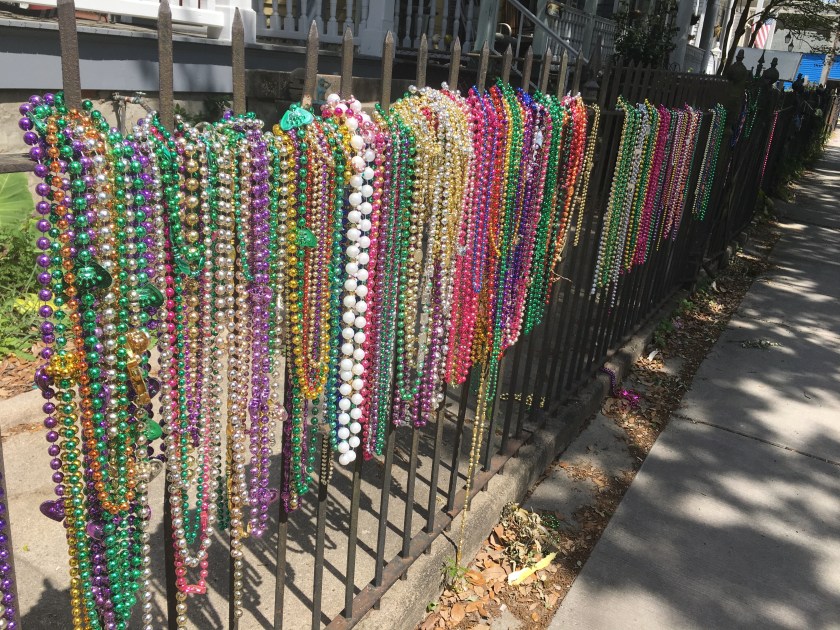
For many people, the idea of traveling to New Orleans without drinking is anathema—drinking, after all, is the entire point of a trip to the city of laissez les bons temps rouler. And if getting hammered, for some reason, isn’t your goal, the city will remind you of what it thinks of your priorities at every turn. I’ve been coming to New Orleans since I was about five years old, but it was only when I quit drinking that I realized just how aggressively the city markets alcohol consumption as its most vital tourist activity, not just inside the Bourbon Street/French Quarter tourist circuit but from practically the second you step off the plane.
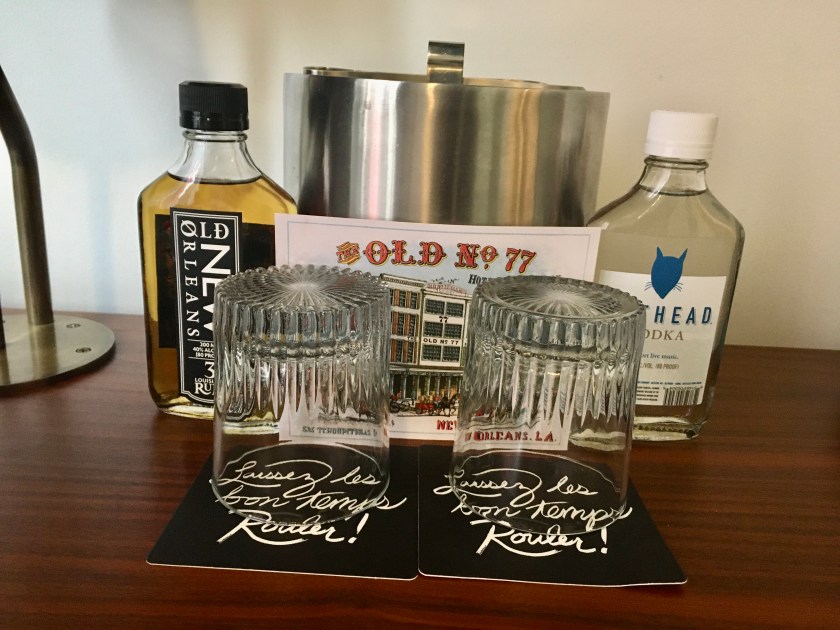
Case in point: Around Christmas, I stayed at the Old No. 77 Hotel and Chandlery—a perfectly lovely hotel in an old building in a slightly off-the-path section of downtown. (As I learned when I was searching for parking, the hotel sits in the shadow of the massive Harrah’s Casino complex.) The first items I saw when I opened the door to my room were the bottles of New Orleans-made Cathead vodka and rum; the second, when I opened the mini-fridge to stash my fizzy water, was more vodka, a bottle of Fireball, and cans and bottles of beer (Abita) and wine. All that might seem pretty standard, but wait—next to the bed, I found a flyer for a service that provides IV infusions (“Wake Up Feeling Not So Nice?”), and on the door, a hanger that read, “Let’s Just Say Things Got a Little Crazy Last Night and Leave It at That.” Outside, a club called Barcadia (creative!) sent bass thumps and shouts through the 12-foot-high windows until 4am.
But never mind—I wasn’t there to drink, or to sleep the day away. As usual, I was in the city on the way to visit family in Mississippi, and I had just one day to hit a couple of sights and stuff my face as full of poboys and gumbo as I possibly could. A rental car-related disaster (along with the aforementioned scream party going on outside my window) kept me in bed later than I wanted (whoops, I mean, “things got a little crazy last night”) but fortunately I’ve been to the city enough times that one foreshortened trip and a less-than-ideal hotel situation doesn’t diminish my desire to go back as soon as possible. Next time, though, I’ll probably stay at the Pontchartrain Hotel—a quaint, midrange charmer in the Garden District where you can step outside and onto the St. Charles streetcar, whether or not you chose to tie one on the night before.
Here is an absolutely idiosyncratic (read: totally non-comprehensive) list of some of my favorite New Orleans experiences. All are great for non-drinkers, but not all are kid-friendly, so check the venue to make sure kids are welcome before you go.
1. Beignets—at Cafe Du Monde or further afield.
Some of my earliest memories are of going with my grandparents to New Orleans and visiting the Jackson Brewery building for red beans and rice, followed by beignets at the famous, 24-hour Cafe du Monde and a stroll through the French Market, which I swear was bigger, brighter, and more exciting back then (but wasn’t everything?) Cafe du Monde is still frying up the iconic pillowy squares of dough and serving them to lines of hungry tourists 24 hours a day, but the last couple of times I tried to go, the line was down the block and I decided it wasn’t worth all the fuss to have.
This is probably blasphemy, but plenty of places in New Orleans make beignets that are as good as or better than du Monde’s, without a two-hour wait. On that list: The New Orleans Coffee and Beignet Company (more doughnut-hole sized beignets with a slightly denser texture), Cafe Beignet (a slightly crunchier, less-sweet variation), and Loretta’s Authentic Pralines, which offers sweet (praline) and savory (crabmeat and burger) variations alongside their creamy-style pralines. (Full disclosure: I haven’t tasted Loretta’s beignets yet, but they’re widely recommended, and their pralines are close to my Platonic ideal.)
2. Take a cemetery walk, or several.
New Orleans’ historic cemeteries, with their ancient above-ground mausolea and languid, overgrown vegetation, have always felt more like parks to me than like places of eternal rest, and I’m hardly the only out-of-tower to gravitate to these peaceful, meditative places when I visit. Some of the most picturesque include St. Louis No. 1 (the city’s oldest cemetery and site of Nicholas Cage’s bizarre pyramid crypt), Lafayette Cemetery No. 1 (a mazelike, often crowded 1833 cemetery across the street from Commander’s Palace) and the eerie St. Roch No. 1 Cemetery, where visitors leave prosthetic body parts and other items to honor the patron saint of good health.
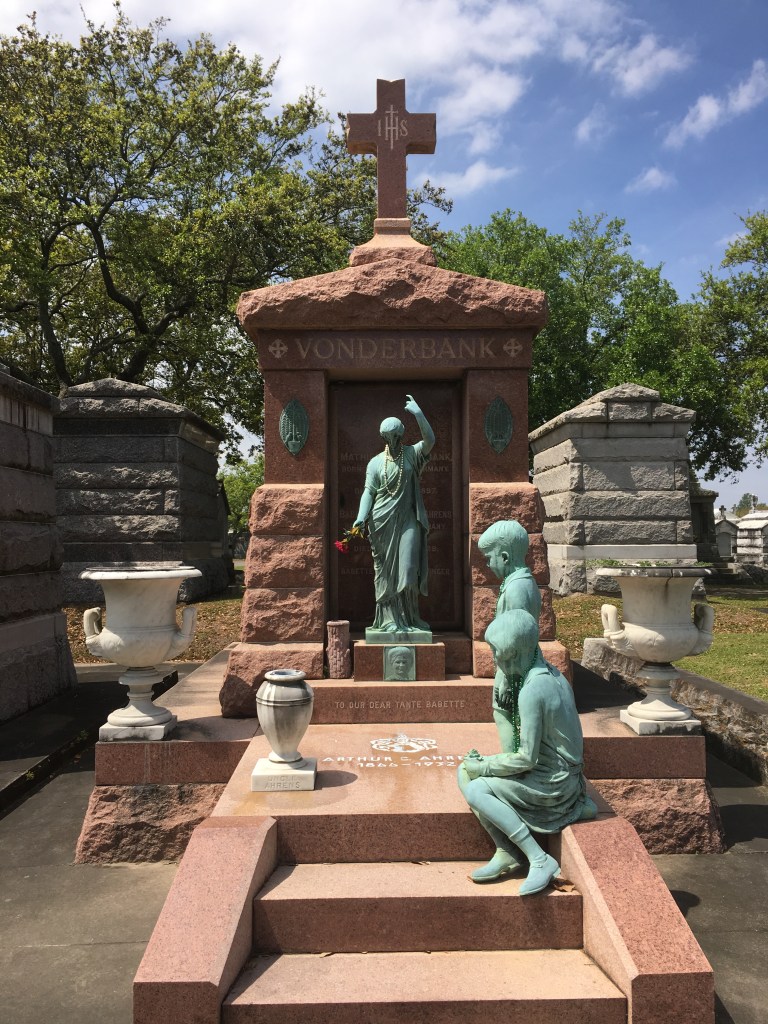
But I also recommend venturing slightly outside the city center to visit the Metairie Cemetery, which makes up what it lacks in picaresque charm with its sheer abundance of huge, flamboyant monuments to famous, infamous, and forgotten New Orleans residents. Walking or driving around this relatively massive cemetery, you’ll see the tombs of jazz great Louis Prima, Popeye’s Chicken founder Alvin Copeland, and the former tomb of Confederate President Jefferson Davis, whose remains were disinterred and moved to Virginia in 1893. But the graves themselves are the real draw—showy monuments to the city’s (and the Civil War-era South’s) ruling elite, they span the gamut of ostentation from weeping, prostrate angels to an enormous pedestal bearing a statue of Confederate General Thomas “Stonewall” Jackson.
3. Make the drive to the Whitney Plantation.
I’ve never been on a traditional plantation tour, but here’s what I imagine: A white lady in her 60s dressed in period clothes leads a group of white visitors through a lavishly restored antebellum home, stopping every few feet to comment on aspects of antebellum living, such as how pre-air-conditioning Southern architecture was specially designed to make life bearable for plantation owners as they lazed their way through the dog days of summer, drinking iced tea on the porch and taking in the breezes from the river.
Perhaps that’s unfair. But the fact that there’s still an entire industry devoted to white people’s Gone With the Wind fantasies, more than 150 years after slavery (officially) ended, should outrage anyone with even a passing knowledge of the legacy of slavery that continues to this day, from mass incarceration to the wealth gap to police violence against black and brown communities. The Whitney Plantation inverts the fantasy, telling the story of the plantation from the perspective of the people who were enslaved there. Over the course of an hour and a half, visitors learn the stories of the children who survived enslavement on the plantation, the dehumanizing caste system of “slaves” and “slave drivers” (whose roles were not dissimilar from those of Jewish kapos in concentration camps), and a quashed rebellion that ended when the plantation owners murdered the rebels and displayed their heads on stakes as a warning to anyone who might think of taking a similar desperate action.
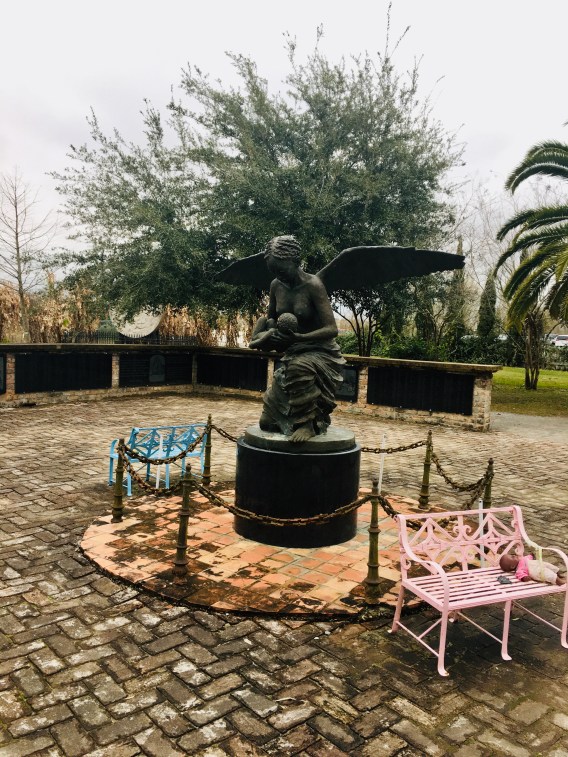
I’m making this sound like a brutal experience, because it is, but it isn’t brutalizing. Instead, the hour-and-a-half tour is revelatory, the kind of can’t-look-away experience that will leave you angry and motivated to make sure the story of slavery isn’t forgotten or glossed over with gauzy narratives about a past that never was.
Here’s a New York Times article about the Whitney, published shortly after it opened in December 2014.
4. Stuff your face.
Since one of the biggest challenges in New Orleans is deciding where to eat, , I’m just going to list some of my favorites—places I’ve visited at least once (in some cases, more times than I can count) that won’t let you down, whether you’re looking for muffaletta, poboys, gumbo, fried chicken, or turtle soup.
High-End
Antoine’s, Galatoire’s, Brennan’s: Old-school, white-tablecloth purveyors of classic, slightly fussy New Orleans fine dining. Brennan’s is best for brunch, where you can try many of the classics (as well as a credible eggs Benedict) for slightly less, accompanied by house-made soda.
Herbsaint is a more under-the-radar upscale dining option that offers a prix fixe menu of flawlessly executed riffs on New Orleans classics; it still gets rave reviews (including from me) after 20 years in business.
Muffaletta
Central Grocery if you just want to grab the classic sandwich of cured meats, cheese, and olive salad and flee the crush of tourists in this narrow, crowded deli-market, Napoleon House if you’d like a break from the crowds in a 200-year-old building with one of the most charming courtyards in the city. If you can’t tell, I like Central’s sandwich better, but I prefer Napoleon House any time I want to take a break from walking and the relentless French Quarter crowds.
Po-Boys
A necessarily incomplete list: Guy’s Po-Boys (try the fried shrimp), Domilise’s (go for the fried oyster), Sammy’s (your order here is the fried trout) Killer Po-Boys (the menu seems to change, but everything I’ve tried was good)
Other Sandwiches
Turkey and the Wolf has gotten what may seem like more than its fair share of media hype. Believe the hype. Note: Lunch only.
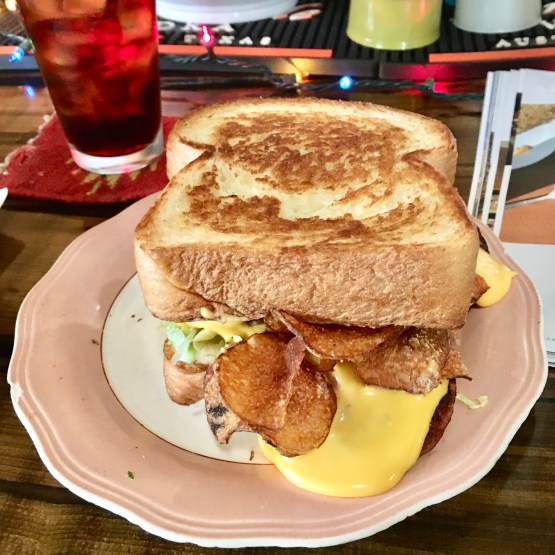
Fried bologna on Texas Toast from Turkey and the Wolf.
Cajun/Creole
It pains me to admit that although I have eaten countless bowls of gumbo, red beans and rice, and jambalaya over the years, the only mid-range spot that stands out in recent memory (and therefore the only one that I’m going to recommend) is Coop’s Place, a packed, rough-around-the-edges place that serves some of the best rabbit and sausage jambalaya, shrimp Creole, red beans and rice, and seafood gumbo you’ll ever eat. Other places that I hope to check out: Bon Ton Café, Brigtsen’s, and Jacques-Imo’s.
Fried Chicken
Go with the classics: Dooky Chase or Willie Mae’s Scotch House, which doesn’t serve alcohol, if that’s important to you.
Everything Else
Bon Appetit described Marjie’s Grill as a “Southern meat-and-three inspired by Southeast Asia,” which is both a) wrong and b) too cute by half. Think of it more as a neighborhood cafe that serves an ever-changing menu of spicy, lightly Thai- and Vietnamese-inflected versions of Southern classics, including (at this writing) fried wild catfish with lemongrass curry paste; pasture-raised Mississippi beef cheeks with hot peach barbecue sauce and tomatillo relish; and Gulf prawns with Vietnamese lime and chile sauce.
The High Hat Cafe: Come for the heady gumbo ya-ya and pimento cheese burger; stay for the Mississippi hot tamales and broiled cheese grits.
Willa Jean: Homemade Pop Tarts, cane sugar-glazed cornbread, oatmeal cookies with dried apricots instead of raisins (!!), and chocolate-chip cookies so famous you can now order them from all 50 states.
5. Wander!
New Orleans is hot as hell in the summer, so if that isn’t your thing or if you just don’t feel like reapplying your makeup 47 times a day, I recommend traveling to the city before mid-May or after mid-September for maximum walking opportunities.
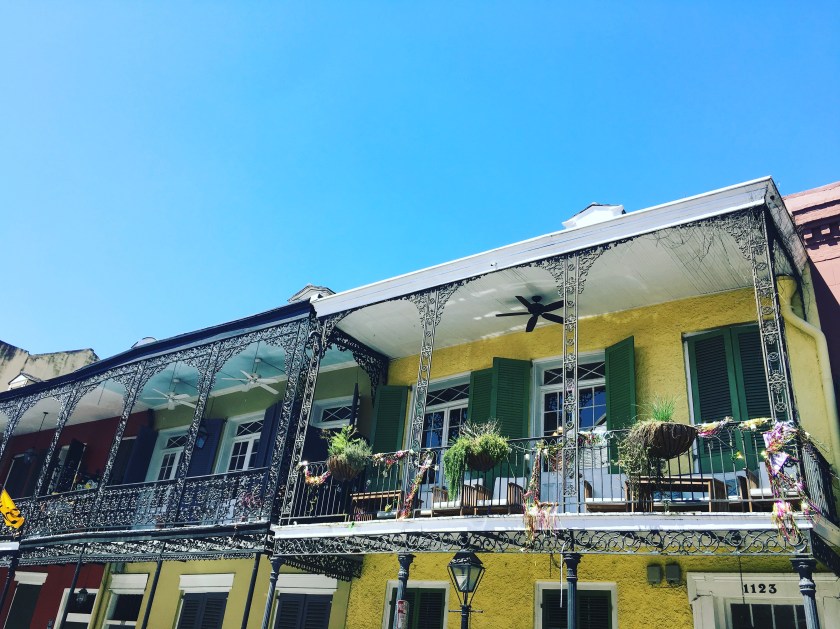
Dodge other tourists as you check out the galleries and antique shops in the French Quarter (put on your rich face and venture into M.S. Rau’s for a look at an original German Enigma cipher machine, used during World War II and cracked by a team led by Alan Turing, along with furniture, silver, and housewares collections that look like they belong in a museum). Walk at a leisurely pace through the Garden District, gawping at the elaborately gated, gabled houses and stop in at local shops like Defend New Orleans and the Garden District Bookshop. Stroll the length of Magazine Street, whose commercial district stretches more than 40 blocks and spans several neighborhoods. Catch some shade in Audubon Park, a 350-acre oasis in the Uptown Neighborhood. New Orleans (like most cities, in my opinion) is best seen from sidewalk level, which is also how you’ll discover your own favorite spots.
6. Check out a show
This is a bit of a cheat, because I tend to wander around people-watching or look for a bar where I can drink something delicious and bubbly and sit for a spell (the Hot Tin bar on top of the Pontchartrain Hotel has a lovely rooftop if you happen to be staying in the area), but New Orleans is a great city for music lovers, particularly those who love jazz and country. Here are some places I’ve heard great things about, and where I suggest you check out the calendar to see who’s playing when you’re in town: The Maple Leaf Bar, the Spotted Cat, and Tipitina’s, where I actually did see a great show (the incomparable Patti Griffin) earlier this year.
 Zero Proof Travel